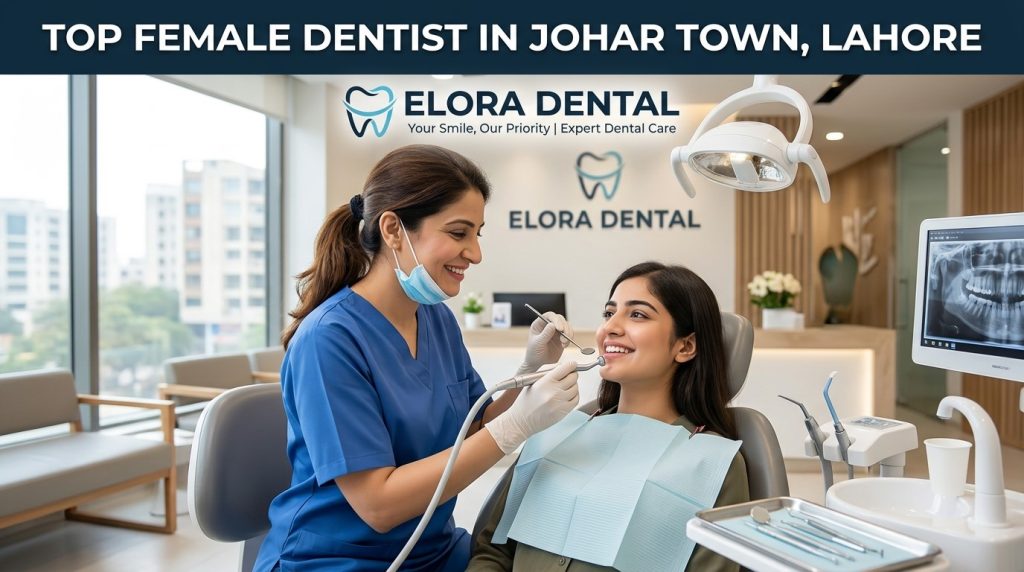
Choosing a dentist is rarely just about qualifications and clinic location; it’s also about comfort, trust, and how safe you feel discussing your concerns openly. For many patients, particularly women, children, and families, the choice of a female dentist in Johar Town, Lahore isn’t a minor preference. It’s a decision that can directly affect whether they seek care promptly, communicate symptoms honestly, and stick with treatment plans long enough to see results.
Why Some Patients Specifically Seek a Female Dentist
Comfort During Sensitive Examinations
Dental exams involve close physical proximity and, at times, discussion of sensitive topics: chronic pain, anxiety, past trauma, or conditions linked to hormonal changes. Many patients, especially women, report feeling more at ease discussing these openly with a female provider, which in turn leads to more accurate symptom reporting and better diagnosis.
Pediatric and Family Dentistry
Children often respond better to a calmer, more nurturing communication style, and many parents specifically prefer a female dentist for their kids’ early dental visits, a period that shapes whether a child grows up anxious about dental care or comfortable with it for life.
Cultural and Religious Considerations
In many communities, including parts of Lahore, there’s a strong cultural or religious preference for female patients to be examined by female healthcare providers wherever possible. A female dentist removes a barrier that might otherwise delay someone from seeking care altogether, which matters enormously, since delayed dental care almost always leads to more complex (and expensive) problems down the line.
Pregnancy and Hormonal Considerations
Pregnancy brings specific oral health changes increased risk of gum inflammation (pregnancy gingivitis), heightened sensitivity, and questions about which treatments are safe during which trimester. A female dentist with experience in this area can offer guidance that feels both clinically sound and personally understood.
Communication Style
Research and patient feedback consistently suggest that communication style, not just clinical skill, is one of the biggest drivers of patient satisfaction. Many patients describe female dentists as more likely to explain procedures step-by-step, check in about pain tolerance during treatment, and take time to answer questions without rushing.
None of this means male dentists are less capable; skill and bedside manner vary by individual, not gender. But for patients who have a genuine preference, that preference is legitimate and worth honoring when choosing a provider.
What to Look for in a Female Dentist: Beyond Just Gender
Choosing a dentist based on gender alone isn’t enough — the provider still needs to meet the same clinical standards as any other practitioner. Here’s what actually matters:
1. Educational Background and Licensing
Confirm the dentist holds a recognized dental degree (BDS or equivalent) and is registered with the relevant medical/dental regulatory body. This is non-negotiable regardless of gender.
2. Areas of Specialization
General dentists handle checkups, fillings, and cleanings well, but if you need something specific orthodontics, cosmetic dentistry, oral surgery, or pediatric care check whether the dentist has additional training or a track record in that specific area.
3. Years of Clinical Experience
Experience matters differently depending on the procedure. For routine cleanings, a newer dentist is often perfectly capable. For complex procedures like implants or full smile makeovers, more years of hands-on experience tend to correlate with more predictable outcomes.
4. Patient Reviews and Reputation
Look beyond star ratings; read what patients specifically say about communication, pain management, and how thoroughly the dentist explained things. Patterns across multiple reviews are more telling than any single glowing (or critical) one.
5. Clinic Environment and Hygiene Standards
A clean, modern, well-organized clinic with visible sterilization protocols and up-to-date equipment is a baseline requirement, not a bonus.
6. Availability and Communication
Does the clinic respond promptly to queries? Is scheduling flexible enough to accommodate follow-ups? These logistical factors significantly affect whether treatment plans are actually completed.
Common Dental Concerns and Treatments Patients Seek
General and Preventive Dentistry
Routine checkups and cleanings remain the foundation of good oral health, catching issues like early cavities or gum disease before they become painful or expensive to treat. Most dental professionals recommend a checkup every six months.
Fillings and Cavity Treatment
Modern fillings use tooth-colored composite materials rather than the visible silver amalgam of the past, blending naturally with surrounding teeth while restoring function.
Root Canal Treatment
When decay or infection reaches the tooth’s inner pulp, root canal treatment removes the infected tissue and seals the tooth, relieving pain and saving a tooth that might otherwise need extraction. Despite its reputation, modern root canal treatment — performed with proper anesthesia is generally no more uncomfortable than getting a filling.
Gum (Periodontal) Care
Gum disease, if caught early as gingivitis, is fully reversible with improved oral hygiene and professional cleaning. Left untreated, it can progress to periodontitis, which causes irreversible damage to the bone supporting your teeth.
Cosmetic Dentistry
Whitening, veneers, and bonding are increasingly popular for patients wanting to improve the appearance of stained, chipped, or uneven teeth often as a confidence-boosting investment rather than a medical necessity.
Orthodontics and Clear Aligners
For misaligned or crowded teeth, both traditional braces and modern clear aligner systems offer effective correction, with aligners appealing particularly to adult patients who want a less visible option.
Pediatric Dentistry
Early dental visits, ideally by a child’s first birthday or first tooth, help establish good habits, monitor development, and catch issues like early decay before they progress.
Oral Surgery and Extractions
From wisdom tooth removal to more complex extractions, a dentist experienced in minor oral surgery can manage these procedures with appropriate anesthesia and clear aftercare instructions to minimize discomfort and complications.
Dental Implants
For missing teeth, implants offer a long-term, stable replacement that closely mimics the function and appearance of a natural tooth, typically involving a healing period before the final crown is placed.
What to Expect During Your First Visit
A well-run first appointment typically follows this structure:
- Medical and dental history review, including any anxiety around dental visits, which a good dentist will factor into how they proceed.
- Full oral examination checking teeth, gums, bite, and any visible concerns.
- X-rays if needed to assess issues not visible during a standard exam, such as decay between teeth or below the gumline.
- Discussion of findings: A thorough dentist will walk you through what they observed in plain language, not just clinical jargon.
- Treatment plan and cost estimate clearly outlining what’s recommended, in what order, and what it will cost, so you can make an informed decision without pressure.
If you experience dental anxiety, it’s worth mentioning this upfront; many practices, particularly those with a strong focus on patient comfort, can adjust their pace, offer numbing options earlier, or simply talk you through each step as it happens.
Building a Long-Term Relationship With Your Dentist
One of the most overlooked benefits of finding the right dentist, female or otherwise, is continuity of care. A dentist who has seen your mouth over several years understands your specific patterns: which teeth are prone to sensitivity, how your gums typically respond to cleanings, whether you grind your teeth at night. This history leads to more accurate, faster diagnoses and fewer unnecessary treatments.
For families, this continuity extends further: a trusted family dentist can track a child’s dental development over years, catch orthodontic issues early, and build the kind of rapport that makes children genuinely comfortable at checkups rather than dreading them.
Practical tips for building this relationship:
- Keep consistent six-month checkup appointments rather than only visiting when something hurts
- Be honest about your oral hygiene habits; dentists can offer much better advice when they have accurate information
- Ask questions during appointments rather than saving them for a search engine afterward
- Mention any changes in medication, pregnancy, or health conditions, as these can affect oral health and treatment planning
Debunking Common Misconceptions
“A female dentist can’t handle complex procedures as well as a male dentist.”
Clinical competence is determined by training, experience, and skill, not gender. Many female dentists specialize in and excel at complex procedures including oral surgery, implants, and full-mouth reconstructions.
“Dental visits are only necessary when something hurts.”
By the time pain appears, a problem has often progressed significantly. Regular preventive visits catch issues while they’re small, inexpensive, and easy to treat.
“Children should wait until they have all their teeth to see a dentist.”
Early visits, ideally around the first birthday, allow dentists to monitor development and catch problems before they become serious, while also helping children build comfort with dental visits from the start.
“All dental clinics offer essentially the same quality of care.”
Standards vary significantly based on the dentist’s training, the clinic’s hygiene protocols, the technology used, and how thoroughly patients are informed about their options all worth evaluating before committing to a practice.
Choosing Your Dentist: A Practical Checklist
- Confirm proper licensing and educational credentials
- Identify whether their experience matches your specific needs (general, cosmetic, pediatric, surgical)
- Read patient reviews for patterns around communication and comfort
- Visit or research the clinic’s hygiene and technology standards
- Assess how clearly they communicate diagnoses and treatment options
- Confirm the clinic’s location and scheduling work realistically for your routine
- Ask about cost transparency before committing to any treatment plan
Final Thoughts
Whether your reason for seeking a female dentist in Johar Town is cultural, personal comfort, or simply a provider you trust based on reputation, the underlying goal is the same: finding a dentist who makes you feel heard, treats you competently, and makes it easier, not harder, to prioritize your oral health consistently over time.
At Elora Dental and Aesthetics, that combination of qualified clinical care and a patient-first approach is designed to make every visit, from a routine cleaning to a more involved procedure, feel straightforward and pressure-free. If you’ve been putting off a dental visit because you didn’t feel comfortable with past experiences, a consultation is a low-stakes way to find a provider and an environment that actually works for you.
Frequently Asked Questions
How do I find a qualified female dentist in Johar Town, Lahore?
Start by checking credentials and registration with the relevant dental council, then look at patient reviews focused on communication and comfort, and consider scheduling an initial consultation to assess the clinic’s environment and the dentist’s approach before committing to treatment.
What should I expect at my first appointment with a new dentist?
Expect a review of your dental and medical history, a full oral examination, possibly X-rays, a clear explanation of any findings, and a treatment plan with cost estimates all without pressure to commit immediately.
Why do some patients specifically prefer a female dentist?
Reasons range from greater comfort during sensitive examinations and cultural or religious preferences to communication style and specific expertise in areas like pregnancy-related oral health or pediatric care all legitimate factors in choosing a provider you’ll see regularly.
How often should I visit the dentist for routine care?
Most dental professionals recommend a checkup and cleaning every six months, though your dentist may suggest more frequent visits if you have ongoing gum issues, orthodontic treatment, or other specific concerns.
What makes a dental clinic trustworthy beyond the dentist’s gender?
Look for proper licensing, visible hygiene and sterilization standards, transparent cost estimates, clear communication during exams, and consistent positive patterns across multiple patient reviews; these matter as much as, or more than, any single preference.