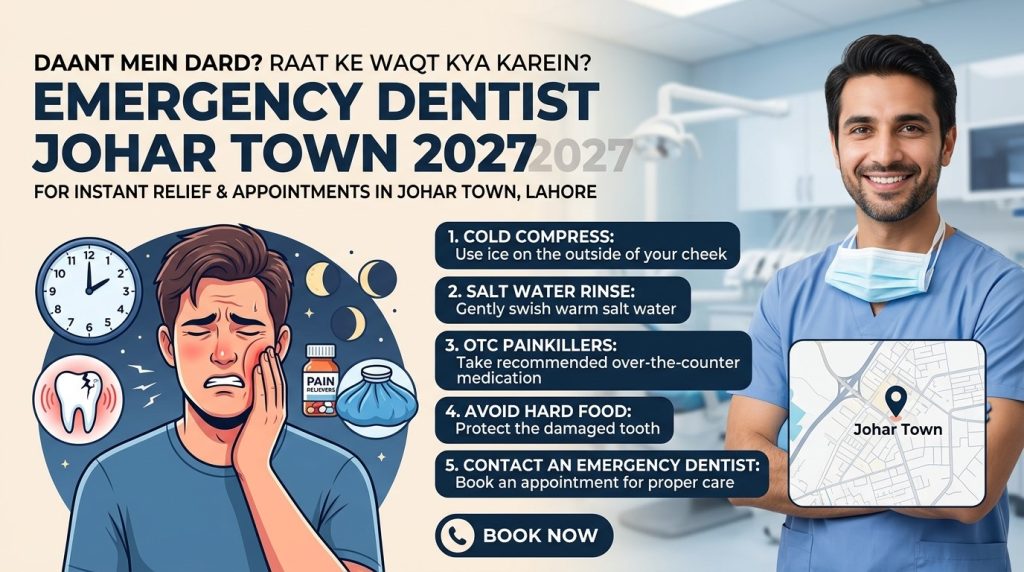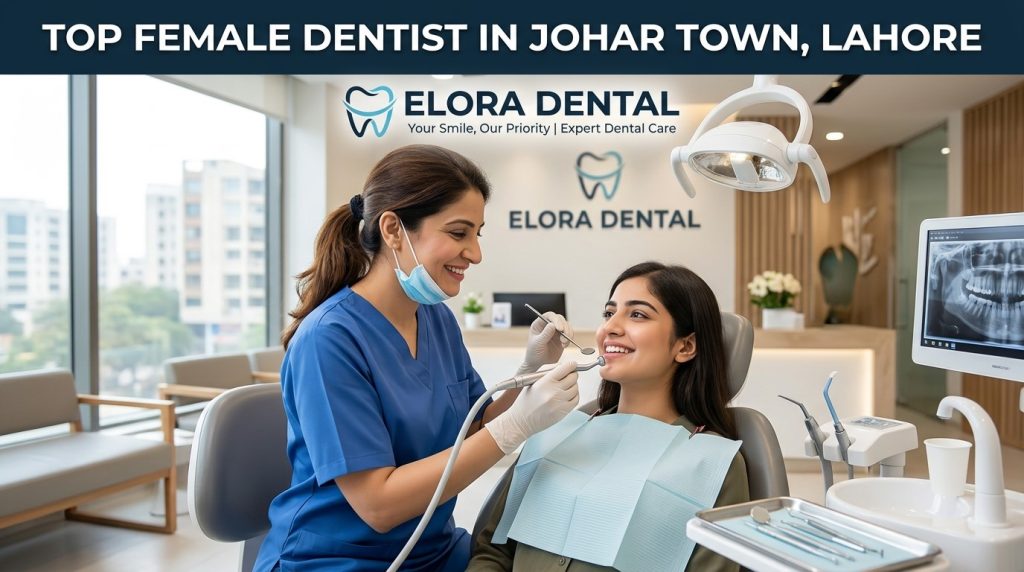
Dental emergencies never seem to arrive at a good time. The day before a wedding, or in the middle of a family outing when a child falls and a tooth is suddenly missing. At Elora Dental and Aesthetics, we have treated enough of these moments to know one thing clearly: what happens in the first few minutes after a dental emergency often matters as much as what happens in the dental chair afterward.
Whether you are dealing with sudden pain right now or simply want to be prepared, this article walks through what counts as a true emergency, how to handle the most common situations before you reach the clinic, what happens during an emergency visit, and how to choose the right emergency dentist in Johar Town.
Why Dental Emergencies Feel So Overwhelming
Mouth pain is different from pain almost anywhere else in the body. It is close to the brain, it interferes with eating, sleeping, and speaking, and it is very hard to ignore. Add in the sight of blood, a missing tooth, or visible swelling, and even calm people can feel panicked.
Part of our role as an emergency dental clinic is not just fixing the physical problem, but helping patients stay calm enough to make good decisions in the moment. Knowing what to do in advance removes a lot of that panic. That is the purpose of this guide.
What Actually Counts as a Dental Emergency
Not every dental issue needs to be treated within the hour, but a number of situations genuinely cannot wait for a routine appointment. These include:
- Severe, persistent toothache that does not respond to over-the-counter pain relief
- A tooth that has been fully knocked out
- A loose tooth, shifted, or partially displaced after an injury
- A cracked, chipped, or fractured tooth, especially if it is painful or sharp
- Swelling of the gum, cheek, or jaw, particularly if it is spreading or accompanied by fever
- Bleeding that will not stop after an injury, extraction, or other dental procedure
- A lost filling or crown that leaves the tooth exposed and sensitive
- An abscess or visible pimple-like bump on the gum, often a sign of infection
- A broken orthodontic wire or bracket that is cutting into the cheek, tongue, or gums
- Sudden, unexplained bad taste or odor from a specific tooth, sometimes a sign of infection
If you are also experiencing difficulty breathing or swallowing, or swelling that is spreading toward your eye, neck, or throat, this goes beyond what any dental clinic can manage safely. Go directly to a hospital emergency department. These situations, while rare, are true medical emergencies.
The Emergencies We See Most Often, and What They Teach Us
Over years of treating patients, a handful of patterns show up again and again. Understanding them can help you recognise a problem earlier, before it becomes a true emergency.
The Toothache That “Just Went Away”
One of the most common stories we hear is this: a patient had a bad toothache for a few days, and then suddenly it stopped hurting, so they assumed the problem had resolved itself. In many cases, what actually happened is that the nerve inside the tooth died. The pain disappeared because the nerve is no longer sending pain signals, but the infection around the root often continues, sometimes silently, until it causes swelling or an abscess weeks or months later. If a toothache disappears suddenly without treatment, it’s worth getting checked rather than assuming the worst has passed.
The “Small” Chip That Wasn’t So Small
Patients frequently downplay a small chip in a tooth, assuming it is cosmetic. Sometimes it is. But a crack that extends below the visible surface can allow bacteria to reach the inner pulp of the tooth, leading to infection weeks later. Catching this early, through bonding or a crown, is far simpler and less expensive than dealing with a root canal or extraction down the line.
Sports and Playground Injuries
Children and active adults are especially prone to sudden dental trauma, whether from a fall, a stray elbow during sport, or a bicycle accident. These cases are often the most urgent, and also the ones where quick, correct first aid makes the biggest difference in whether a tooth can be saved. Parents in particular benefit from knowing the steps in advance, because panic in the moment can lead to mistakes, like scrubbing a knocked-out tooth clean or letting it dry out, that reduce the chances of successful treatment.
The Wisdom Tooth Flare-Up
Partially erupted wisdom teeth are a frequent cause of sudden pain and swelling, particularly in the late teens and twenties. Food and bacteria can become trapped under the gum flap covering the tooth, leading to a painful infection called pericoronitis. This often flares up during periods of stress or illness, when the immune system is under extra strain.
The Denture or Bridge Problem Before an Event
We also regularly see patients whose denture cracks, or whose bridge comes loose, right before an important event such as a wedding or trip. While this is not always a medical emergency, it is understandably distressing, and same-day repairs or adjustments can often be arranged.
Detailed First Aid for Common Emergencies
Knowing what to do in the first few minutes can protect your tooth and reduce pain until you reach the clinic.
A Knocked-Out Tooth
This is one of the true “every minute counts” emergencies, particularly for adult (permanent) teeth.
- Pick the tooth up by the crown (the white, visible part), never by the root.
- If it is dirty, rinse it gently for a few seconds with milk or saline solution. Do not scrub it, and avoid using tap water if possible, as it can damage the root surface.
- If you are able to, and the tooth is a permanent one, try to gently reinsert it into its socket, facing the correct direction, and have the person bite down gently on a clean cloth to hold it in place.
- If reinsertion is not possible, place the tooth in a container of milk, or, if milk is unavailable, in the injured person’s own saliva. Avoid storing it dry or in plain water.
- Get to the dental clinic as quickly as possible. The chances of successfully reattaching an adult tooth drop significantly after about 30 to 60 minutes outside the mouth.
Important note: baby teeth should never be reinserted, as doing so can damage the developing permanent tooth underneath. Contact your dentist for guidance specific to children.
Severe Toothache
- Rinse the mouth gently with warm salt water to clean the area.
- Use dental floss carefully to check for and remove any trapped food between the teeth.
- Apply a cold compress to the outside of the cheek in the area of pain, in intervals of about 15 to 20 minutes.
- Take an over-the-counter pain reliever as directed on the packaging.
- Avoid placing aspirin or other painkillers directly against the gum or tooth, as this can burn the soft tissue.
- Avoid very hot or cold foods and drinks until you are seen.
Cracked or Broken Tooth
- Rinse the mouth with warm water to clean the area.
- If you can find any broken tooth fragments, save them and bring them with you.
- Apply a cold compress to the cheek to reduce swelling.
- Avoid chewing on the affected side.
- If there is a sharp edge that is cutting the tongue or cheek, dental wax (if available) can provide temporary relief.
Lost Filling or Crown
- If you still have the crown, keep it safe and bring it with you.
- Avoid chewing on that side of the mouth.
- Do not attempt to glue the crown back on with household adhesives, as these are not safe for use in the mouth and can make the situation worse.
- Some temporary dental cement, available at pharmacies, can be used briefly to cover the exposed area, but this is not a substitute for a proper repair.
Swelling of the Face or Gum
- Apply a cold compress, not heat, to the affected area.
- Avoid taking antibiotics that were not prescribed specifically for this situation, even if you have some at home.
- Get to the clinic the same day. Swelling can indicate a spreading infection that needs prompt treatment.
- Watch closely for any difficulty breathing or swallowing, or swelling near the eye or neck, and seek emergency medical care immediately if these occur.
Broken Braces or Wires
- If a wire is poking into the cheek or gum, try gently pushing it back into place with a clean pencil eraser or cotton swab.
- If that is not possible, cover the sharp end with orthodontic wax, or a small piece of cotton until you can be seen.
- Never attempt to cut the wire yourself, as this risks the small piece being swallowed or inhaled.
What Happens During an Emergency Visit at Elora
Understanding what to expect can visit itself feel far less intimidating.
Step one: listening. Every emergency visit starts with a conversation. We ask when the problem started, whether there was an injury, what makes it better or worse, and about your general health and any medications you take. This context shapes everything that follows.
Step two: examination. We carefully examine the affected tooth and surrounding area, checking for swelling, mobility, cracks, and signs of infection.
Step three: imaging. An X-ray is often needed to see what is happening beneath the surface, such as infection at the root, bone involvement, or a fracture line that isn’t visible.
Step four: pain relief and stabilisation. Our priority is almost always to relieve pain and stabilise the situation, whether that means draining an abscess, starting root canal treatment, splinting a loosened tooth, placing a temporary filling, or repairing a chip.
Step five: explanation. Before any further treatment, we explain what we found, what the options are, and the approximate cost, so you can make an informed decision without pressure.
Step six: follow-up planning. Some emergencies are fully resolved in a single visit. Others need a follow-up appointment to complete treatment properly, and we schedule that before you leave, so nothing gets forgotten in the relief of the pain being gone.
How to Reduce the Chances of a Dental Emergency
While not every emergency can be prevented, several habits meaningfully lower the risk:
- Attend routine checkups so small problems are caught before they become painful emergencies
- Avoid using your teeth to open packaging, bottles, or bite down on very hard objects like ice or bones
- Wear a mouthguard during contact sports
- Treat cavities and gum issues promptly rather than waiting for pain
- If you grind your teeth at night, ask about a night guard to reduce the risk of cracks
- Keep an eye on old fillings and crowns, which can weaken and fail over time
Why Choose Elora Dental and Aesthetics for an Emergency in Johar Town
Because our practice combines restorative and cosmetic dentistry, we don’t only think about resolving the immediate emergency. We think about how the repaired tooth will function and look once the crisis has passed. A chipped front tooth, for example, deserves a repair that blends naturally with the rest of your smile, not just a quick patch.
We also understand that arriving with a dental emergency is stressful. Our approach is to keep the process calm, clearly explained, and free of unnecessary pressure. If you can, call ahead before you arrive. This allows our team to prepare for your visit and to talk you through first-aid steps while you’re still on your way.
Final Thoughts
A dental emergency is stressful by nature, but knowing what to do in the first few minutes can genuinely protect your tooth, your comfort, and your long-term dental health. Whether an emergency strikes today or at any point through the end of 2027, Elora Dental and Aesthetics in Johar Town is here to help, with calm, clear guidance and prompt care when you need it most. Don’t wait and hope it gets better on its own, and don’t hesitate to call, even if you’re not sure whether your situation qualifies as an emergency. We would always rather you check.
Frequently Asked Questions
How quickly should I see a dentist for a knocked-out tooth?
As quickly as possible, ideally within 30 to 60 minutes. The longer the root is outside the mouth and drying out, the lower the likelihood of successful reattachment. Keep the tooth moist, in milk if possible, and come straight to the clinic without delay.
What should I do if a severe toothache starts in the middle of the night?
Rinse with warm salt water, apply a cold compress to the outside of the cheek, and take a suitable over-the-counter pain reliever as directed. Keeping your head slightly elevated while resting can reduce throbbing. Call the clinic as early as possible the next morning, since pain relief only manages the symptom, not the underlying cause.
Why is a dental abscess considered a true emergency?
An abscess is a pocket of infection at or near the root of a tooth. If left untreated, it can spread into the jaw, face, or neck, and in rare cases can become dangerous. Even if the pain temporarily eases, the infection typically remains and needs to be drained and treated properly.
How much does an emergency dentist visit cost in Johar Town?
The cost depends heavily on what is actually needed. A visit focused purely on pain relief and an X-ray is very different in cost from one that involves a root canal, extraction, or crown. At Elora, we always examine the situation first, explain the findings and options clearly, and give you an estimate before any treatment begins.
What should I do if my child has a dental emergency?
Stay as calm as you can, since children often take their emotional cue from the adults around them. Check for any injury to the head or jaw first. If a baby tooth has been knocked out, do not attempt to reinsert it. If it is a permanent tooth, keep it in milk and come in immediately. In either case, bring your child in for a full examination, even if the bleeding has stopped and they seem otherwise fine.